


WHAT'S INSIDE


Key Ingredients
Formulated with Niacinamide, Zinc PCA, and Hyaluronic Acid - to regulate oil, minimise pores, fade marks, and keep skin balanced and hydrated.

Niacinamide
Strengthens skin barrier, regulates sebum, refines pores, and fades acne marks & hyperpigmentation.

Hyaluronic Acid
Hyaluronic Acid Provides deep hydration, plumps skin, and locks in moisture for a dewy glow.

Zinc PCA
Regulates sebum production and suppresses acne-causing bacteria for clearer, balanced skin.
Full ingredient list
Aqua, Niacinamide, Zinc PCA, Glycerin, Propanediol, 1-Methylhydantoin-2-Imide, Aloe Vera Extract, Hyaluronic Acid, D-Panthenol, Licorice Extract, Ethylhexylglycerin.
THE RESULTS


Key Benefits
Three oil-control actives working together - to fade marks, balance sebum, and even out skin tone.

Fades Acne Marks & Scars
Reduces blemishes and scars for a smoother complexion.

Controls Excess Oil
Balances sebum production to prevent breakouts and shine.

Evens Skin Tone
Enhances clarity and radiance for a flawless look.
REAL RESULTS
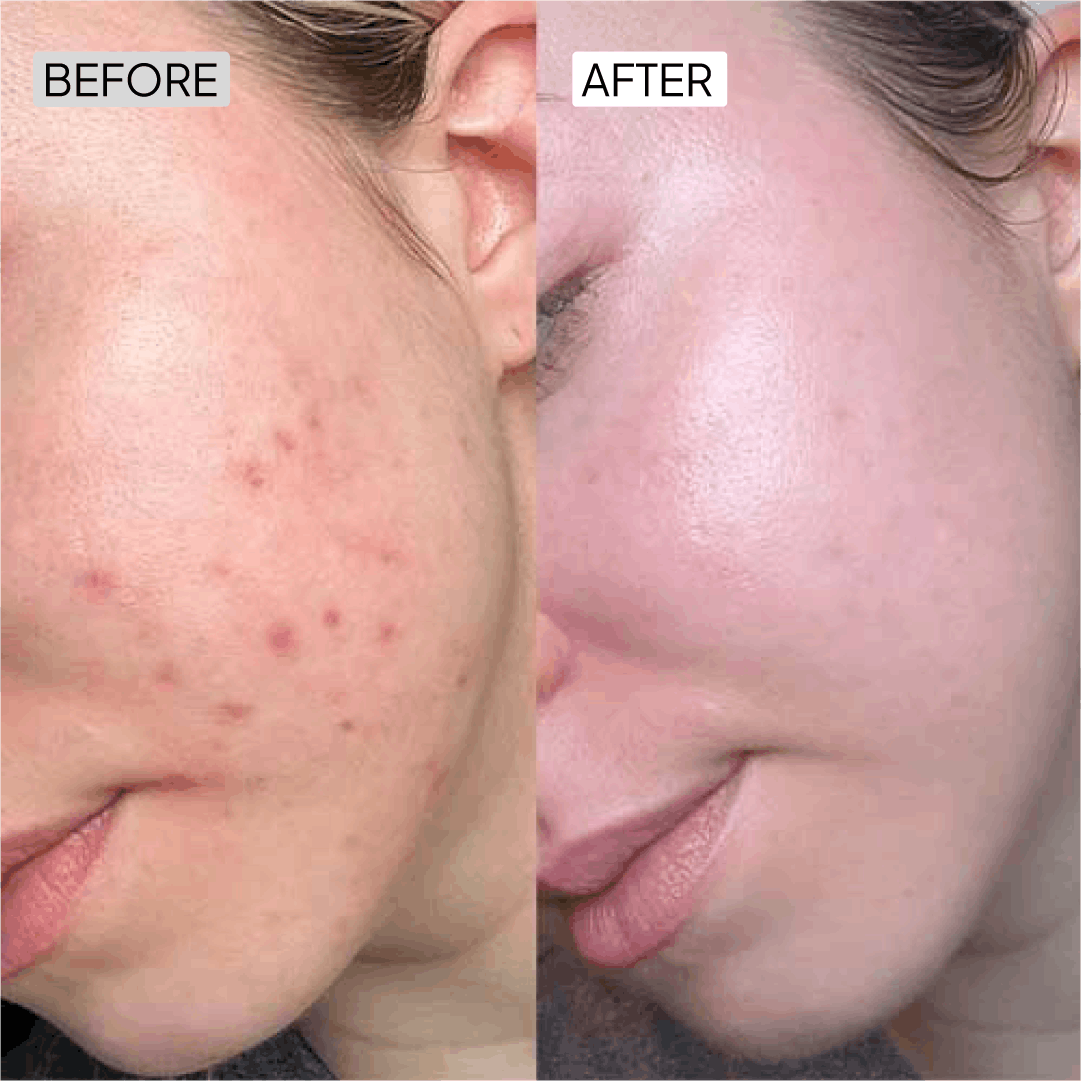
Before and After - Results
Niacinamide 10% with Zinc PCA regulates sebum at the source and gradually fades the marks left behind by previous breakouts.
- 91%
 Reduced midday oilinessSebum production visibly regulated — skin stays matte longer through the day.
 - 3–4
 Weeks for pore refinementPores appear smaller and less visible with consistent AM and PM use.
 - 86%
Noticed fading of acne marksPost-acne marks and discolouration fade gradually with daily consistent use.


STEP-BY-STEP
How to Use
For oily skin, enlarged pores, and acne marks - this serum regulates oil, refines pores, and fades marks with daily use.
-
 1
1Cleanse
Cleanse your face thoroughly and pat dry.
-
 2
2Apply
Apply 2-3 drops of the serum onto your fingertips.
-
 3
3Pat In
Gently pat and spread evenly over the face and neck.
-
 4
4Moisturise
Allow to absorb fully before applying moisturiser and SPF.


Suitable For

Excess Oil, Pores, Acne Marks, Scars, Uneven Tone
Skin Type

All skin types
Age Group

16+
pH Level

5 to 6.5
Pregnancy Safe

Yes
Beginner Friendly

Yes
Sensitive Skin Suitable

Yes
Texture Type

Water
Strength Level

Beginner
Time to Use

PM
Tip
Use before moisturizer, morning and night.
Product Description
Niacinamide serum is a water-based vitamin B3 treatment that regulates oil production, fades post-acne marks, refines the look of pores, and strengthens the skin barrier. Simplist's 10% Niacinamide Serum is a water-based treatment that regulates oil production, fades post-acne marks, and evens out skin tone. Niacinamide is vitamin B3, and at 10% it works through several pathways at once: it lowers how much sebum your glands produce, blocks excess pigment from settling into skin after breakouts, and calms the low-grade redness that makes tone look patchy. This fragrance-free, science-backed formula suits every skin type and works morning, night, or both from day one. It anchors our niacinamide collection, and our guide on what niacinamide does for skin covers the basics.
Key Benefits
Fades Acne Marks & Scars: After a breakout heals, skin at that spot often over-produces pigment, leaving a flat brown or reddish mark. Niacinamide reduces these blemish marks and old scars by inhibiting melanosome transfer - it blocks pigment from being handed off into surrounding skin cells, so no new darkness builds up while natural cell turnover gradually clears what is already there. Most users notice visible fading by week 6 to 8, with a smoother, clearer complexion. Read more in our guide to the benefits of niacinamide for skin.
Controls Excess Oil: This is a real reduction in oil output, not a surface mattifying trick. Niacinamide lowers the sebum excretion rate at the sebaceous gland itself, so your skin physiologically produces less oil, and Zinc PCA reinforces the same regulation at the follicle. Balanced sebum means less midday shine, fewer clogged pores, and less fuel for breakouts - which matters in Pakistan's heat and humidity, where oil glands work harder. Most users see shine drop within 1 to 2 weeks.
Evens Skin Tone: Uneven tone is usually two problems: scattered pigment left by old breakouts and low-grade inflammation that reads as blotchy redness. Niacinamide addresses both. Anti-inflammatory action calms redness and blotchiness, while the same pigment-blocking pathway stops new discolouration from forming. Over weeks, skin looks clearer, more uniform, and more radiant - clarity that comes from correcting causes, not covering them.
Key Ingredients
Niacinamide 10%: Vitamin B3 in its water-soluble form, at the higher end of the studied range. It does four jobs at once: regulates sebum at the gland, strengthens the barrier by supporting ceramide synthesis, refines pores as congestion clears, and fades marks and hyperpigmentation by blocking melanosome transfer. That pigment mechanism differs from the tyrosinase inhibition vitamin C and kojic acid use, so they complement each other rather than compete.
Zinc PCA: A zinc salt that regulates sebum at the follicle and gland level, not just absorbing surface oil. It also suppresses acne-causing bacteria - not by acting like an antibiotic, but by disrupting the oily, congested follicle environment those bacteria need to thrive - and gently soothes skin around breakouts.
Hyaluronic Acid: A humectant that draws water into skin and holds it, hydrating and plumping without any oil or grease. Skin producing less sebum still needs water, and hyaluronic acid keeps it comfortable, dewy, and plump while the actives work.
Full ingredients (INCI): Aqua, Niacinamide, Zinc PCA, Glycerin, Propanediol, 1-Methylhydantoin-2-Imide, Aloe Vera Extract, Hyaluronic Acid, D-Panthenol, Licorice Extract, Ethylhexylglycerin.
pH: 5 to 6.5 | Free From: Fragrance, Paraben, SLS, Alcohol
Is This Right For You?
This serum suits all skin types. The strongest match is oily and combination skin with visible pores, midday shine, or post-acne marks. Normal and dry skin benefit from the barrier and hydration support. It is genuinely beginner friendly. Unlike acids or retinol, niacinamide does not force faster cell turnover. Skin has nothing to adapt to, so there is no introduction period.
Go slow only if your skin is very reactive. A few niacin-sensitive users feel mild, short-lived warmth or flushing at 10%. This is a passing blood-vessel response, not damage. If it happens, start once nightly and build to twice daily. It stays sensitive-skin suitable because its irritation profile is low. There is no fragrance or alcohol, plus calming panthenol, aloe, and licorice.
There are no major contraindications. It is safe during pregnancy and breastfeeding, unlike retinol, which must be paused then - a real reassurance in those months. It suits ages 16 and up, when hormonal oil and post-acne marks usually begin. The formula is free from fragrance, parabens, SLS, and alcohol. Its pH of 5 to 6.5 matches skin's own slightly acidic range, so it does not disturb the acid mantle.
How To Use
| Step | What To Do |
|---|---|
| STEP 1 | Cleanse with the Salicylic Acid 2% Gel Cleanser and pat dry. It clears oil and loosens pore congestion so the serum absorbs properly. |
| STEP 2 | Apply 2 to 3 drops across the face. Water-based serums go on first - they cannot penetrate through heavier creams or oils, so apply before anything richer. |
| STEP 3 | Pat it in gently instead of rubbing. It absorbs within a minute, so there is no need to wait before your next step. |
| STEP 4 | Seal with moisturiser. In the morning, finish with SPF 50 - niacinamide does not make skin sun-sensitive, but sun exposure re-darkens the very marks you are fading, so SPF protects your progress. |
| When | AM and PM, every day. No introduction period is needed - full twice-daily use from day one is fine, unlike acids or retinol which require gradual build-up. |
Best Paired With: Follow with the Ceramides & Hyaluronic Acid Moisturizer. The pairing is deliberate: niacinamide stimulates your skin's own ceramide production, and this moisturiser supplies ceramides directly while sealing in hydration - both feed the same barrier-repair pathway. The Oily Skincare Kit bundles the matching cleanser, serum, and moisturiser in one purchase.
Avoid Combining With: Honestly, nothing significant - niacinamide is the team player of skincare. It layers safely with vitamin C (the old neutralisation claim has been disproven), salicylic acid, retinol - where it actually buffers irritation - and ceramides. Sensitive skin can alternate strong acids and retinol on different nights for comfort, not because of any conflict.
Results Timeline
| What Improves | What To Expect, And Why |
|---|---|
| Midday Oiliness | Sebum output drops at the gland itself - your skin genuinely produces less oil, rather than having it blotted off the surface. Expect visibly less shine within 1 to 2 weeks, improving from there. About 9 in 10 users report regulated oil and skin that stays matte longer through the day. |
| Pore Refinement | Pores look enlarged mainly because they are stretched open by trapped sebum and dead cells. As oil production falls and that congestion clears, the pore opening physically relaxes - which is exactly why refinement shows at 3 to 4 weeks of consistent AM and PM use, not overnight. This is a structural change, not a blurring effect. |
| Acne Mark Fading | Melanosome-transfer inhibition stops new pigment from reaching the surface, while natural turnover gradually clears the pigment already there. Fading is progressive rather than sudden: with daily use, most people - more than 8 in 10 - notice their marks and discolouration visibly lighter by week 6 to 8. |
| What Affects Results | Consistency drives everything above - twice-daily use outperforms once-daily because the effects are cumulative. Daily SPF 50 matters just as much: UV exposure re-darkens fading marks faster than they clear. A steady niacinamide routine with sun protection turns these timelines into results. |
Frequently Asked Questions
What does this serum actually do for skin?
It reduces how much oil your glands produce, fades post-acne marks and hyperpigmentation, and evens overall tone. The 10% concentration also strengthens the skin barrier and refines pores as congestion clears. It is one serum covering oil, marks, and tone together.
Is it good for acne marks and dark spots?
Yes, this is one of its core jobs. Niacinamide blocks new pigment from transferring into skin cells after breakouts, while natural turnover clears the existing darkness. Most users notice marks visibly lighter by week 6 to 8 of consistent daily use.
Can I use it every day?
Yes, twice a day, morning and night, from day one. Niacinamide is not an exfoliant, so daily use does not thin or sensitise the skin. Consistent daily application is actually what delivers the oil, pore, and mark improvements on schedule.
Can I use it with salicylic acid?
Yes, and the pairing is excellent for acne-prone skin. Salicylic acid clears inside the pore while niacinamide reduces the oil that congests it, so they tackle the same problem from two directions. A salicylic acid cleanser before this serum works particularly well.
Is it safe during pregnancy?
Yes, niacinamide is considered safe during pregnancy and breastfeeding. That makes it a practical choice for managing oiliness and post-acne marks in months when retinol has to be paused. For any specific medical concern, confirm with your doctor as usual.
Can I use it with retinol?
Yes, they work well together. Niacinamide supports the skin barrier and calms inflammation, which buffers the dryness and irritation retinol can cause. Many people use niacinamide in the morning and retinol at night, or layer niacinamide first on retinol nights.
Do I need to build up slowly before daily use?
No. Acids and retinol need an introduction period because they push cell turnover and skin must adapt. Niacinamide does not work that way - it regulates oil and pigment without exfoliating - so full twice-daily use is fine from day one for almost everyone.
Which skin types can use it?
All of them, including sensitive skin. Oily and combination skin see the biggest change in shine and pores, while normal and dry skin gain barrier and hydration support. The fragrance-free, alcohol-free formula keeps irritation risk low across every skin type.
Can I use it with vitamin C?
Yes. The old claim that niacinamide and vitamin C cancel each other out has been disproven. They fade pigment through different mechanisms - vitamin C inhibits the tyrosinase enzyme while niacinamide blocks pigment transfer - so combining them covers more ground, not less.
What age can start using it?
From age 16 onwards. That is when hormonal oiliness, breakouts, and the marks they leave usually begin, and niacinamide addresses exactly those concerns. Its gentle, non-exfoliating profile makes it one of the safest first actives for teenage and young adult skin.
How long until I see results?
Oil control comes first, with less midday shine within 1 to 2 weeks. Pores look refined at 3 to 4 weeks as congestion clears and openings relax. Acne marks fade gradually, with most people seeing a clear difference by week 6 to 8.
Is 10% too strong for beginners?
For most people, no - 10% is well tolerated even as a first active. A small number of niacin-sensitive users feel brief, mild flushing at this strength. If that happens, use it once nightly until it settles, then move up to twice daily.
- Choosing a selection results in a full page refresh.