


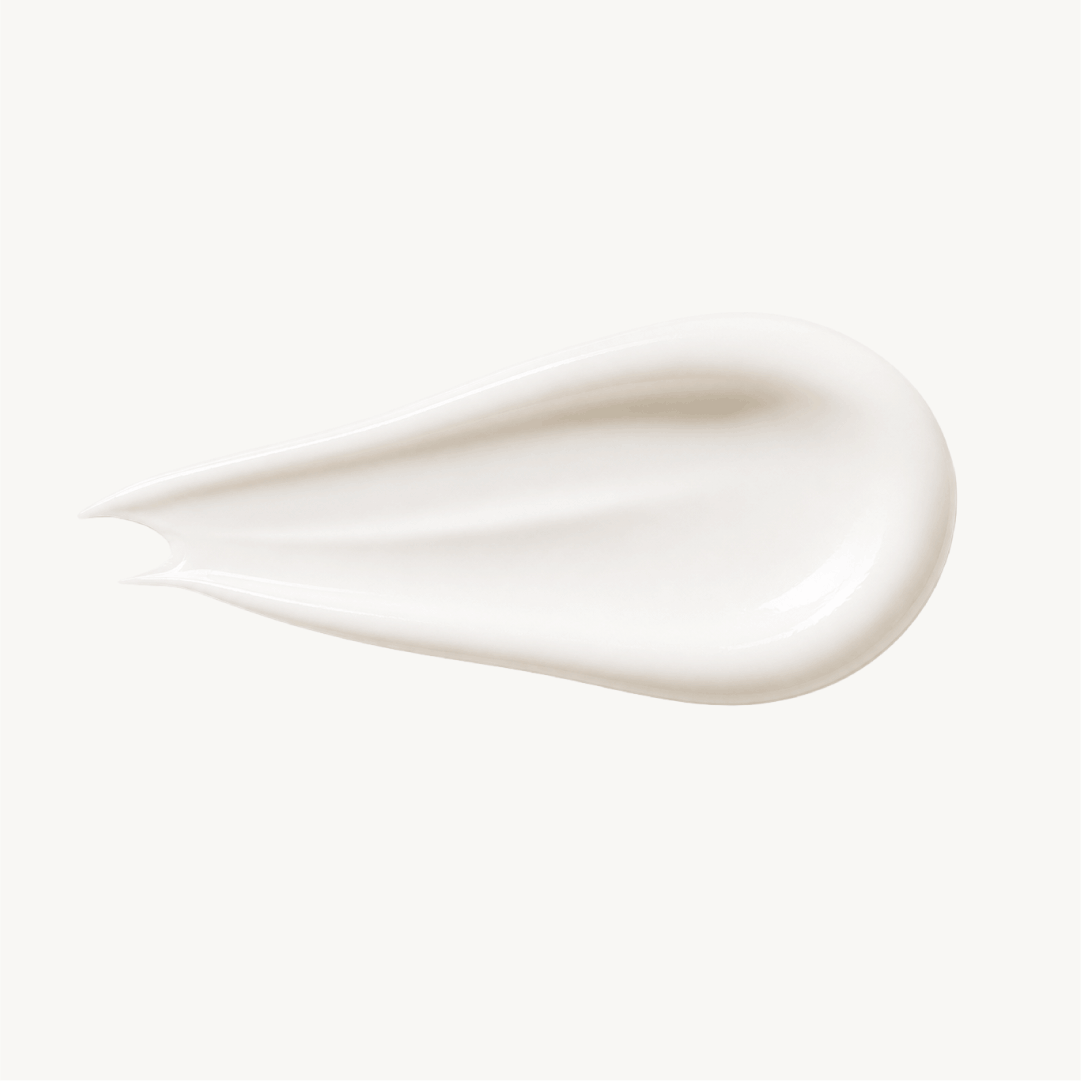
WHAT'S INSIDE


Key Ingredients
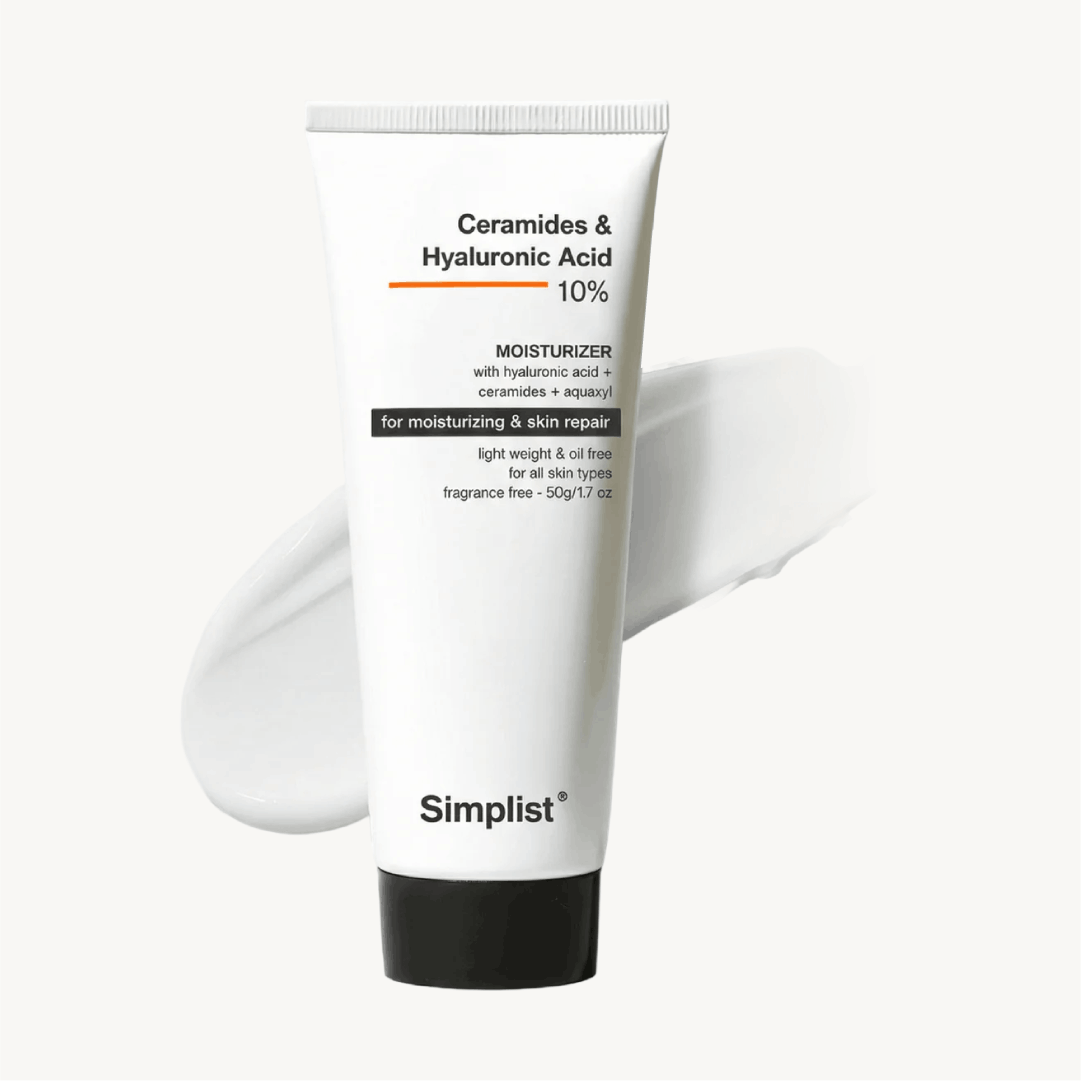
Formulated with Hyaluronic Acid, Ceramides, and Aquaxyl - to deliver deep hydration, rebuild the skin barrier, and prevent moisture loss all day.

Hyaluronic Acid
Hyaluronic Acid Provides deep hydration, plumps skin, and locks in moisture for a dewy glow.

Ceramides
Ceramides Strengthen the skin barrier, prevent moisture loss, and protect against environmental damage.

Aquaxyl
Aquaxyl Enhances moisture retention, prevents dehydration, and improves overall skin texture.
Full ingredient list
Aqua, Glyceryl Stearate, Cetearyl Alcohol, Sodium Stearyl Lactylate, Hyaluronic Acid, Aloe Vera Extract, Aquaxyl, D-Panthenol, Niacinamide, Ceramides, Cetyl Alcohol, Propanediol, Glycerin, Disodium EDTA, Ethylhexylglycerin.
THE RESULTS


Key Benefits
Three barrier-repair actives working together - delivering deep hydration, strengthening skin, and supporting recovery.

Deep Hydration
Delivers intense moisture for soft, plump, and nourished skin.

Strengthens Skin Barrier
Reinforces protection while calming irritation and sensitivity.

Repairs Skin
Supports healing and rejuvenation for a healthier complexion.
REAL RESULTS
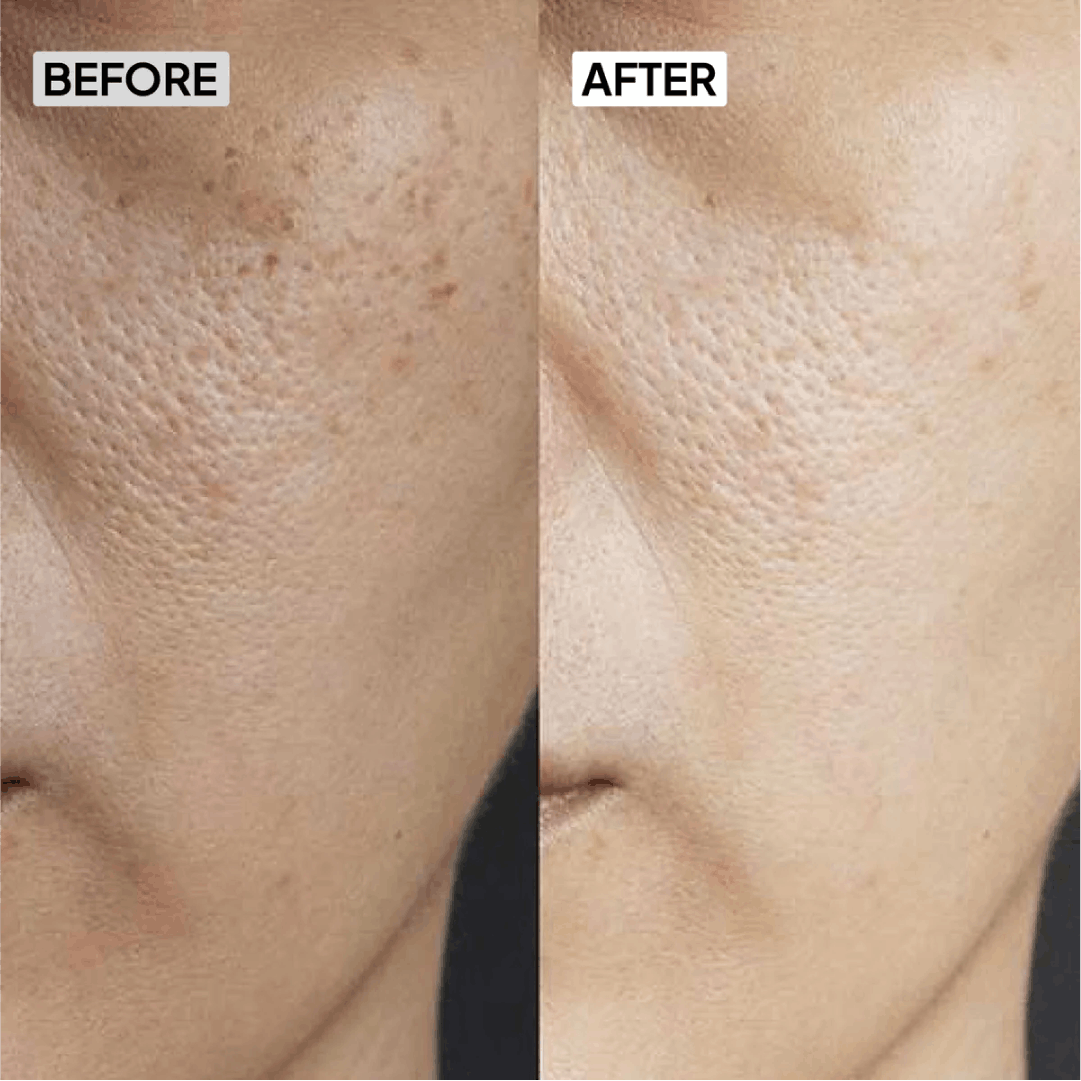
Before and After - Results
Ceramides rebuild and strengthen the barrier while Hyaluronic Acid locks in deep moisture lightweight enough for oily skin, rich enough for dry.
- 95%
 Skin felt hydrated all dayLasting moisture maintained through the full day without reapplication.
 - 1–2
 Weeks to stronger skin barrierSkin barrier noticeably more resilient and less reactive with consistent use.
 - 93%
 No heaviness or greasinessLightweight formula absorbs fully comfortable for all skin types including oily.


STEP-BY-STEP
How to Use
For all skin types needing daily moisture - this lightweight moisturiser rebuilds the skin barrier and locks in hydration.
-
 1
1Cleanse
Cleanse your face thoroughly and pat dry.
-
 2
2Apply
Complete your serum step first.
-
 3
3Massage
Apply evenly over face and neck.
-
 4
4Done
Massage gently until fully absorbed. Use morning and night.


Suitable For

Dryness, Dehydration, Barrier Repair
Skin Type

All skin types
Age Group

16+
pH Level

5 to 6
Pregnancy Safe

Yes
Beginner Friendly

Yes
Sensitive Skin Suitable

Yes
Texture Type

Cream
Strength Level

Beginner
Time to Use

AM & PM
Tip
Apply after serum on slightly damp skin.
Product Description
Ceramides & Hyaluronic Acid Moisturizer is a lightweight, oil-free moisturizer built to rebuild the skin barrier while locking in moisture all day. Hyaluronic Acid draws water into the surface layer and Ceramides replenish the lipids that make up nearly half of that barrier, so skin holds onto hydration instead of losing it through the day. Aquaxyl supports this further by helping skin retain moisture over time, not just at the moment of application. Suited to every skin type, it works as the final step after any serum, morning and night, and is especially useful right after Retinol, Salicylic Acid, or Glycolic Acid. Browse the full Face Moisturizer range at Simplist to compare formats.
Key Benefits
Deep Hydration: Hyaluronic Acid draws water into the skin and holds it there, so skin feels plumper and softer from the very first use, with hydration building further over the first 1 to 2 weeks.
Strengthens the Skin Barrier: Ceramides replenish the lipid layer that makes up around half of the skin's natural barrier, calming irritation and sensitivity within the first week of consistent use.
Repairs Skin: Aquaxyl improves how well skin retains moisture over time, supporting the barrier's own repair process for noticeably more resilient skin by week 4.
Key Ingredients
Hyaluronic Acid: A humectant that draws water from the environment and deeper skin layers into the surface, holding up to 1000 times its weight in water to plump and hydrate on contact.
Ceramides: Lipids that make up around half of the skin's natural barrier, replenishing this layer to reduce water loss and calm sensitivity from daily actives or weather.
Aquaxyl: A moisture-retention complex that helps skin hold onto hydration for longer, smoothing texture and reducing the tightness that comes with dehydration.
Aqua, Glyceryl Stearate, Cetearyl Alcohol, Sodium Stearyl Lactylate, Hyaluronic Acid, Aloe Vera Extract, Aquaxyl, D-Panthenol, Niacinamide, Ceramides, Cetyl Alcohol, Propanediol, Glycerin, Disodium EDTA, Ethylhexylglycerin.
pH: 5 to 6 | Free From: Fragrance, Paraben, SLS, Alcohol
Is This Right For You?
Any skin type - Oily, Dry, Combination, Sensitive, or Acne-Prone - looking for daily moisture that also supports the skin barrier fits this moisturizer well. It targets dryness, dehydration, and general barrier repair, and works especially well as the final step after Retinol, Salicylic Acid, or Glycolic Acid.
There is no build-up needed with this moisturizer. It contains no active exfoliants or irritants, so it can be used at full strength from the very first application, both morning and night, without easing in slowly.
Free from Fragrance, Paraben, SLS, and Alcohol, and balanced at a skin-friendly pH of 5 to 6, this moisturizer has no known contraindications and is suitable from age 16 onward, including for pregnant or breastfeeding skin.
How To Use
| Step | What To Do |
|---|---|
| STEP 1 | Cleanse with the 10% Gentle Skin Cleanser and pat dry. |
| STEP 2 | Complete your active serum step first, such as Retinol, Salicylic Acid, or Vitamin C. |
| STEP 3 | Apply a pea-sized amount evenly over face and neck, massaging until fully absorbed. |
| When | AM & PM, every day, as the final step of your routine. |
Best Paired With: the Retinol 0.5% Face Serum. Retinol temporarily weakens the skin barrier while it works, and this moisturizer's ceramides repair that barrier overnight, which is why the two are recommended together every night Retinol is used.
Avoid Combining With: nothing - this moisturizer has no known ingredient conflicts and layers safely after any actives, including Vitamin C, Niacinamide, Salicylic Acid, Glycolic Acid, or Retinol. Simply apply it as the final step once other actives have fully absorbed.
Results Timeline
| Timeframe | What Changes |
|---|---|
| Day 1 | Skin feels softer and more comfortable immediately after application. |
| Week 1-2 | Barrier feels noticeably stronger, with reduced tightness and sensitivity. |
| Week 4 | Barrier resilience is more consistent, even alongside Retinol or acid use. |
| What Affects Results | Consistency of use, how often actives like Retinol or acids are used, and starting barrier condition. |
Frequently Asked Questions
Can I use this moisturizer if I have oily skin?
Yes, this moisturizer is lightweight, oil-free, and absorbs fully without a greasy feel. It suits all skin types, including oily and combination, since it focuses on hydration and barrier repair rather than adding oil.
Is this moisturizer safe to use after Retinol or acids?
Yes, this is one of its main jobs. Ceramides repair the skin barrier that Retinol, Salicylic Acid, or Glycolic Acid can temporarily weaken, which is why it is the recommended final step on any active night. Apply it once your acid or retinol serum has fully absorbed.
Can pregnant or breastfeeding women use this moisturizer?
Yes, Hyaluronic Acid, Ceramides, and Aquaxyl carry no known pregnancy-related contraindications. It is free from fragrance, paraben, SLS, and alcohol, making it a safe daily moisturizer during pregnancy and breastfeeding. Use it morning and night as the final step of your routine.
How long does it take to see results from this moisturizer?
Skin feels softer and more comfortable from the very first use. Barrier improvements, such as reduced tightness and sensitivity, become noticeable within 1 to 2 weeks of twice-daily use. By week 4, barrier resilience stays consistent even alongside Retinol or acid use.
Can I use this with Vitamin C or Niacinamide serum?
Yes, this moisturizer has no known conflicts with Vitamin C or Niacinamide. Apply it as the final step after either serum has fully absorbed, morning or night, to seal in hydration and support the barrier both actives work on.
Is this moisturizer fragrance-free and suitable for sensitive skin?
Yes, it is formulated without fragrance, paraben, SLS, or alcohol, at a skin-friendly pH of 5 to 6. This makes it one of the gentlest, most broadly suitable products in the range for sensitive skin.
S
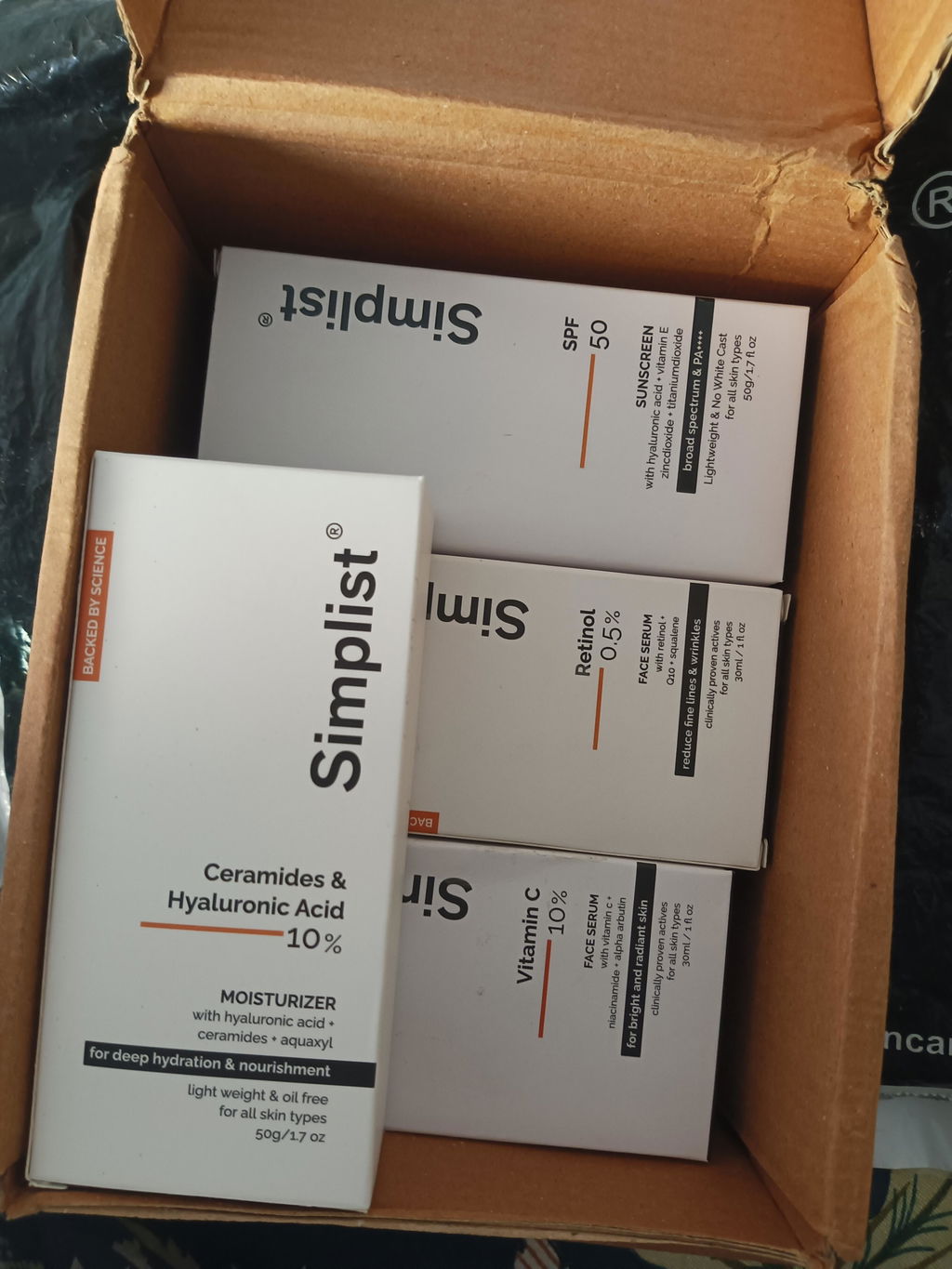
Yeah it's a good one. Light on skin.
A
I use this moisturizer I like it 🤩
E
Bhut acha moisturizer hai light weight
A
I am Dermatologist i found your formulation good so bought vit c serum and moisturizer i started using it from 16august let's see how it give results so i can prescribe to my patients ,will review after complete bottle use
Q
I have used this moisturizer and it gives me good results.
- Choosing a selection results in a full page refresh.